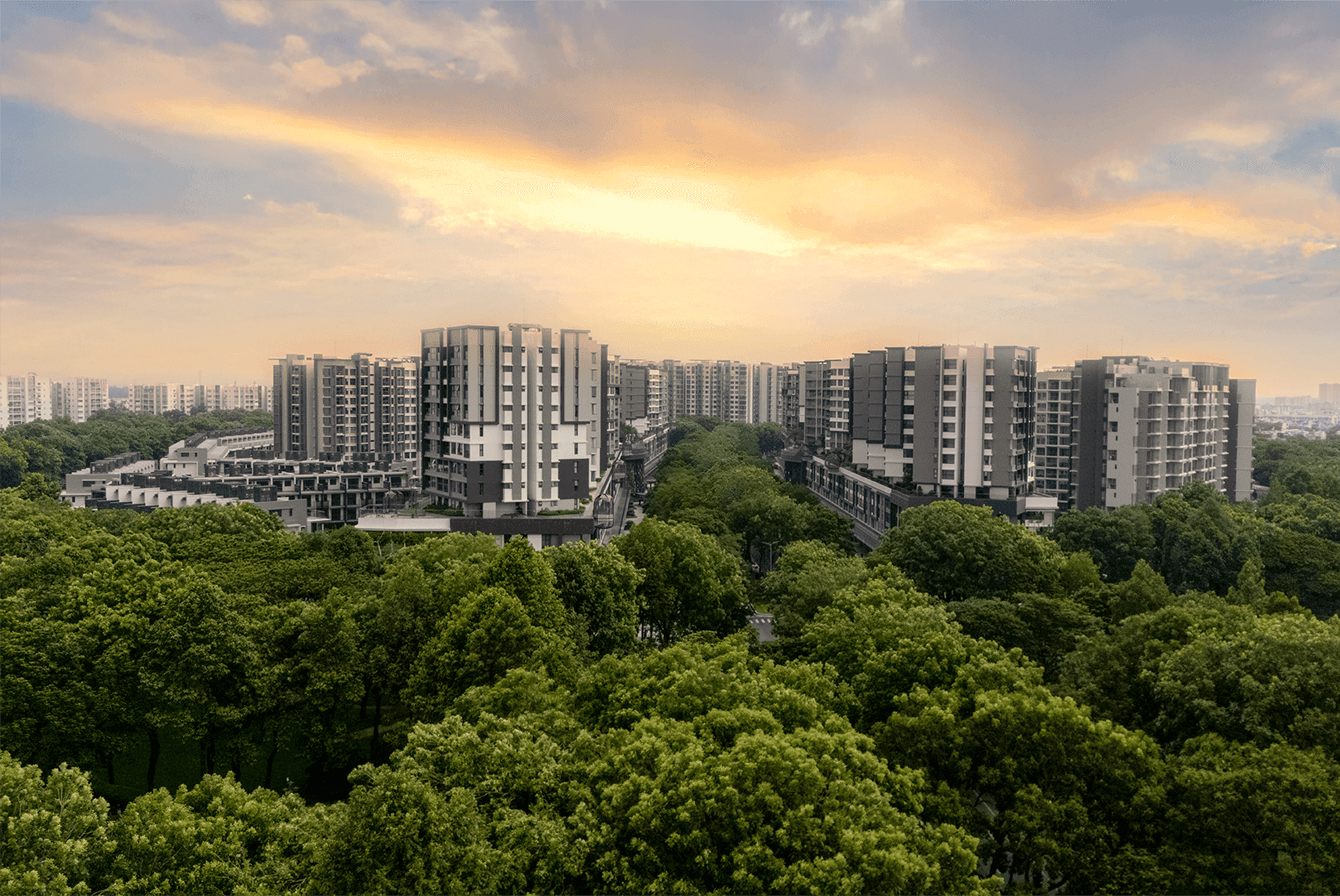
Gamuda City: When Green Living Space in South Hanoi Becomes a "Rare Asset"
02/06/2026
Nguồn:Cong Thuong Newspaper


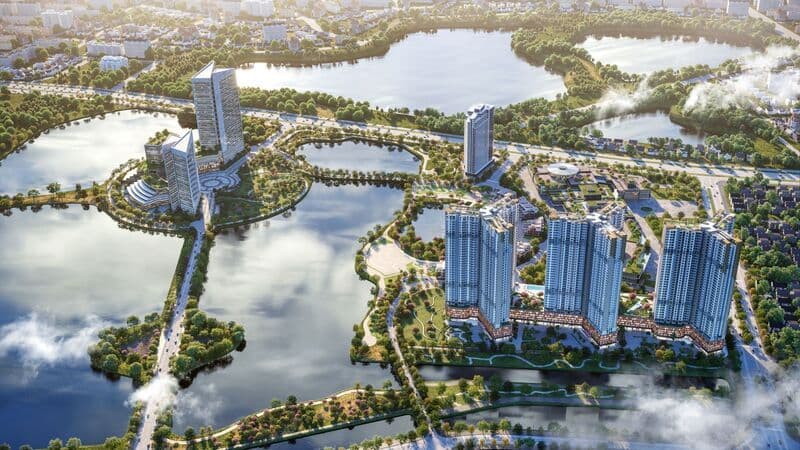
Many experts view South Hanoi as a standout star in the city's new development cycle. This rise is fueled by the powerful synergy of upgraded transportation infrastructure, strategic urban planning, and the evolving lifestyle preferences of modern residents.
For years, Hanoi's real estate spotlight has consistently focused on the central core and the Western districts—areas long considered the epicenters of capital investment and urban infrastructure. However, as the market transitions into a restructuring phase after a period of rapid growth, the capital's development map is beginning to reveal new growth poles.
Among these, South Hanoi is highly regarded by industry experts as one of the most promising areas for the next development cycle. This shift is driven by a combination of breakthrough transport infrastructure, forward-thinking urban planning, and a fundamental change in what modern citizens look for in a home.
Notably, Hanoi is accelerating the implementation of its Capital Master Plan for the 2021–2030 period, with a vision extending to 2050. This strategy adopts a multi-polar development model designed to expand urban spaces far beyond the congested central core. In this master plan, the South stands out as a high-potential region thanks to its extensive land bank and excellent regional connectivity.
At the same time, a series of key infrastructure projects—including Ring Road 3.5, Ring Road 4, and various arterial radial routes—are being aggressively pushed forward. These projects are drastically improving connections between the Southern gateway, the city center, and neighboring satellite provinces.
According to experts, this migration is no longer a temporary "market wave" or a short-term trend. Instead, it reflects a profound evolution in how urban residents choose their long-term living environments.
From "Proximity to the Center" to "Quality of Life"
In the past, the vast majority of homebuyers in Hanoi prioritized prime central locations and short commuting distances. However, as population pressure, traffic congestion, and construction density in the inner city hit record highs, the traditional concept of "city-center living" is losing its appeal.
Urban lifestyle experts point out that modern city dwellers are no longer just looking for a convenient place to sleep. They now demand a living environment that seamlessly balances career demands, personal relaxation, and lifestyle experiences. This explains the surging demand for master-planned communities that offer expansive green spaces and synchronized infrastructure.

Global Parallel: Industry observers note that this outward migration mirrors a well-documented global trend seen in major cities worldwide. When inner-city land becomes scarce and urbanization pressures mount, megacities naturally evolve into multi-polar hubs, leading to the birth of vibrant satellite towns.
In Hanoi, this trend is unfolding rapidly. Outlying areas are drawing massive interest from both buyers and investors due to their increasingly complete infrastructure and substantial room for capital appreciation.
In this shifting landscape, large-scale, well-planned mega-townships that offer comprehensive utility ecosystems and flawless connectivity—such as Gamuda City—have become highly sought-after, rare commodities in South Hanoi. This gives the project a distinct competitive edge at a time when buyers are looking past basic brick-and-mortar structures to prioritize long-term lifestyle value and environmental quality.
Many experts believe that in this new development cycle, integrated townships capable of operating as "miniature cities" will command a premium. This is especially true as the market undergoes a strict screening process that favors developer execution and master-planning capacity. Amid this transition, South Hanoi is emerging as the premier destination for both institutional capital and real end-user demand.
Infrastructure Paves the Way for a New Growth Cycle
Planning experts have long maintained that infrastructure is the primary catalyst for shaping new urban growth poles. Over the past several years, South Hanoi has reaped massive benefits from sustained investment in its expanding transport network.

A network of new ring roads, highways, and vital traffic axes is steadily erasing the distance between the Southern district, the historic center, and the northern and southern economic corridors. Beyond just easing daily commutes, this infrastructure is successfully driving population redistribution and fostering the growth of brand-new urban centers.
Analysts emphasize that in this new real estate era, the advantage no longer belongs to projects simply because they are "close to downtown." Instead, the winning formula belongs to locations that offer flexible connectivity, methodical planning, and long-term sustainability.
This perfectly aligns with the Transit-Oriented Development (TOD) model successfully adopted by advanced cities globally. Under TOD, future urban areas move away from isolated housing clusters to integrate transit hubs, public utilities, and eco-friendly spaces. Backed by these foundations, South Hanoi is perfectly positioned to anchor a powerful new growth cycle.
Green Space Becomes a "Rare Asset"
While infrastructure lays the groundwork for growth, premium green living spaces are what truly set South Hanoi apart. Experts state that given the stifling construction density within the inner city, master-planned developments that preserve large-scale natural ecosystems are becoming incredibly scarce.

This scarcity explains why the Yen So area has captured the market's attention recently. Home to Yen So Park—one of Hanoi's largest urban green lungs—the area boasts a massive network of retention lakes and a density of greenery that is virtually unmatched anywhere else in the capital.
Wellness living experts note that the post-pandemic era has permanently altered homebuyer psychology, placing a premium on clean air and open spaces. While buyers once fixated on square footage or commute times, they now prioritize air quality, open landscapes, community amenities, and mental well-being. This shift is compelling visionary developers to pivot from merely "building houses" to "crafting living ecosystems."
Major Developers Shift Southward
Responding to this massive demand, an influx of major real estate players have begun pivoting their development pipelines toward South Hanoi. Market observers note that the arrival of international developers not only validates the region's immense growth potential but also signals a broader shift toward sustainable urban development nationwide.

A standout example is Gamuda City by Gamuda Land. Built right around the Yen So Park area, the township capitalizes on a rare, massive natural ecosystem that is unique to Hanoi. Experts believe that as the market matures and prioritizes sustainability over speculative growth, projects backed by transparent legal frameworks, meticulous planning, and a long-term vision will naturally win over buyers. This mirrors mature real estate markets globally, where a property's true value is determined by its long-term operational excellence and environmental quality rather than just its location.
The Long-Term Vision of a Global Developer
As a key division of Gamuda Berhad—a global conglomerate celebrating its 50th anniversary in 2026—Gamuda Land has steadily expanded its footprint in Vietnam. The company now boasts a diverse portfolio of 10 major projects spanning Hanoi, Hai Phong, Ho Chi Minh City, and Dong Nai, demonstrating its unwavering commitment to sustainable investment in the country.
Looking ahead to the final months of 2026, Gamuda Land is poised to launch three new strategic projects: Central Park in Hanoi, ANesta in Binh Duong (HCMC Greater Area), and Norton Park in Dong Nai, further solidifying its presence in the nation’s key economic growth engines.
Central Park (Hanoi): Positioned as Gamuda Land’s next flagship venture in the capital, this project targets the premium segment with a modern urban model that seamlessly blends residential towers, vibrant commercial spaces, and comprehensive amenities. Comprising three high-rise towers with over 2,600 units, Central Park is set to become a vibrant hub for modern communities, expatriates, and discerning buyers seeking a high-end lifestyle intertwined with nature. Central Park is an integral component of the 270-hectare Gamuda City mega-township in South Hanoi.
ANesta (Binh Duong / HCMC Greater Area): Designed specifically with the younger generation in mind, ANesta strikes a perfect balance between a dynamic, fast-paced lifestyle and peaceful everyday relaxation. Strategically located with direct access to the Tan Van intersection, Ring Road 3, and inter-regional metro lines, the project offers a highly connected and inspiring living experience. The development features 761 mid-range apartments, explicitly built to satisfy the surging demand for real, attainable housing in East Ho Chi Minh City and neighboring Binh Duong.
Norton Park (Dong Nai): Tailored as a luxury residential enclave, Norton Park targets the international expert and expatriate community working in North Ho Chi Minh City. Located in the heart of the Thuan Giao FDI hub, this 7.9-hectare development boasts low construction density and world-class, international-standard amenities. The project delivers over 1,200 luxury apartments and 30 commercial units across six high-rise towers, all enveloped by lush landscapes and a sophisticated, resort-style atmosphere. Featuring a contemporary international design language, Norton Park integrates over 100 indoor premium amenities, offering an incredibly balanced lifestyle that blends work, leisure, and community experiences.
According to a corporate spokesperson, Vietnam remains one of Gamuda Land's core global markets, thanks to its rapid urbanization rate, robust real-housing demand, and long-term economic prospects. Market analysts conclude that Gamuda Land's aggressive ecosystem expansion during a market restructuring phase underscores the developer's deep confidence in Vietnam's growth—particularly in high-performing regions that embrace the green, integrated urban planning trends exemplified by South Hanoi.