Gamuda Land Chairman: 'Quality of Life is the Benchmark for Urban Planning'
18/05/2026
Nguồn:Vnexpress



According to the Chairman of Gamuda Land Vietnam, settling down is no longer confined to the concept of homeownership. Instead, it has expanded to choosing a living environment that nurtures health, fosters community connection, and delivers long-term value.
This insight was shared by Mr. Angus Liew, Chairman of Gamuda Land Vietnam, with VnExpress. He noted that the Vietnamese real estate market is currently entering a transition phase in terms of both scale and homebuyer expectations. According to the "Vietnam Residential Real Estate Market" report published by Mordor Intelligence, the market size of Vietnam's residential real estate is estimated to reach approximately USD 34.12 billion and is projected to rise to nearly USD 58.93 billion, maintaining an average growth rate of about 11.5% per year.
Alongside this expansion, how homebuyers perceive the value of a home is also shifting. The 2025 "Vietnam Real Estate Market Brief" report by Savills Vietnam indicates that buyers are increasingly concerned about the living environment, green spaces, and community amenities. This trend was also recorded by CBRE Vietnam in its "Vietnam Market Outlook" report, highlighting well-planned projects that integrate sustainability as a prominent development direction in major cities. Against this backdrop, Gamuda Land Vietnam has introduced numerous strategies to develop urban areas that meet modern demands.
How do you perceive the Vietnamese concept of "settling down" (an cư) today, and what is the biggest shift?
Previously, "settling down" was primarily linked to owning a home for stability and wealth accumulation. As living standards rise, particularly among the younger generation, demands have become more diverse. Homebuyers now care deeply about their living environment, health, and the connections around them. Therefore, settling down is no longer a fixed destination, but a journey of enhancing one's quality of life over time.
For Gamuda Land, "settling down" does not stop at ownership; it means choosing a living environment with depth. It is a place where residents can connect with nature, build relationships, and maintain a balanced rhythm of life. When developing a project, we consider the long-term impact of its master plan and design to create lasting utility value rather than just meeting short-term needs.
In product development, what rules does Gamuda Land set to meet the "settling down" needs of Vietnamese people?
After decades of operating in various countries, we understand that there is no one-size-fits-all formula for every market. Each location has its own distinct climate, culture, and lifestyle characteristics, demanding a deep understanding before implementation.
With over 20 years in Vietnam, we have observed that Vietnamese people highly value an active lifestyle, with about 33.5% of the population maintaining regular exercise habits (according to the Vietnam Report Card on Physical Activity), while preserving a spirit of bonding and a tradition of sharing. These factors are woven into our master planning to promote physical activity and nurture lifelong connections.
In urban development, we do not chase speed; instead, we focus on quality and a long-term orientation. Rather than developing individual, isolated projects, we approach each township as a holistic ecosystem planned for stable, long-term operation.
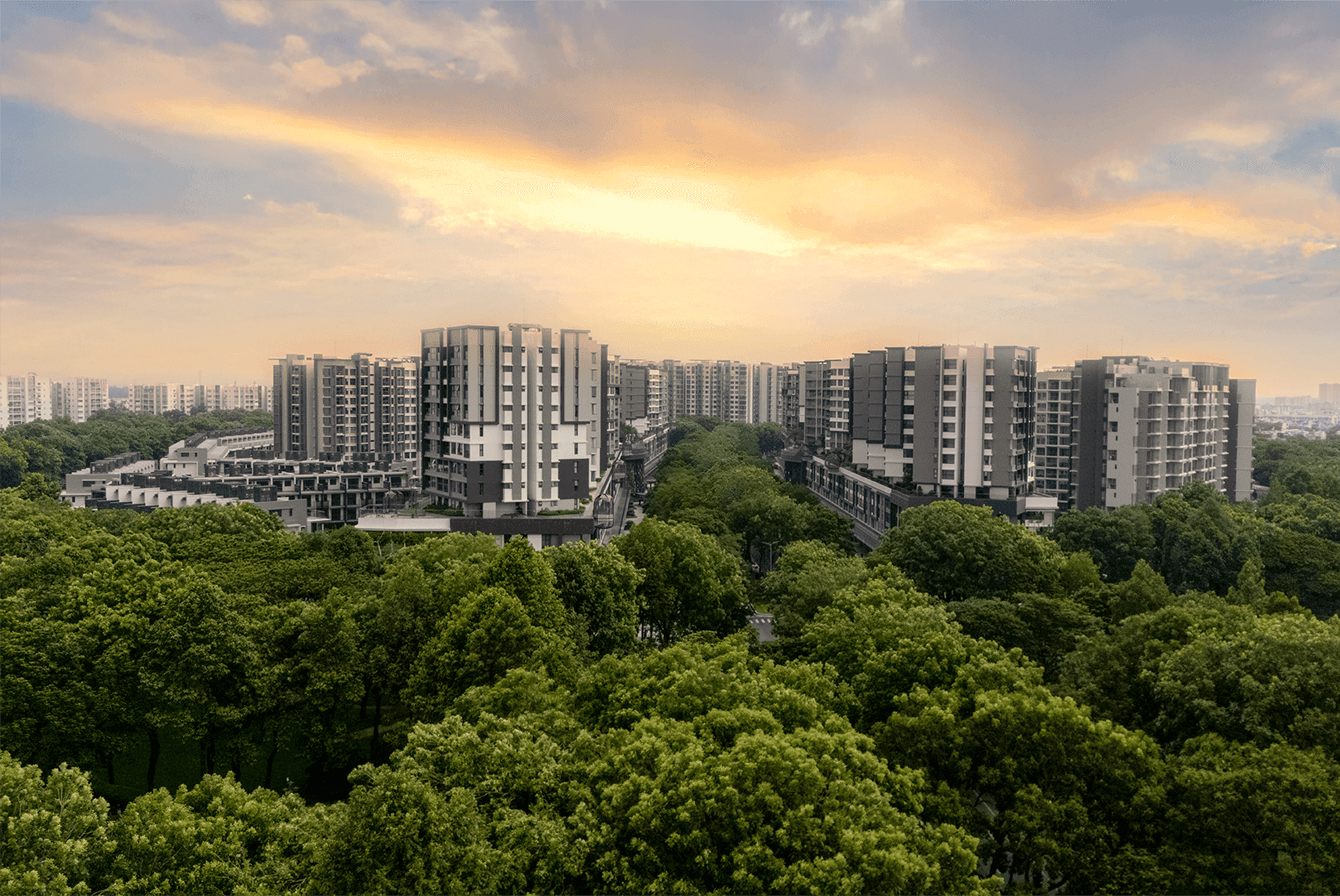
This approach is evident in how we prioritize parks and water bodies at central locations, while strictly controlling construction density and infrastructure design. For instance, Celadon City in Ho Chi Minh City is an 82-hectare township, yet its construction density is capped at just 20%. The project dedicates up to 16 hectares to a central park, which boasts 7,000 trees across 170 tropical plant species.
At the same time, green transportation solutions, such as dedicated lanes for pedestrians and bicycles, are integrated into the internal and external connectivity networks, encouraging a healthy lifestyle and reducing environmental pressure.
Gamuda Land applies Singapore’s CONQUAS inspection system alongside our internal G-QUAS standards to guarantee consistent quality. Concurrently, we adjust designs to suit local realities, ranging from open spaces and climate-adaptive balconies to pet-friendly residential zones.

You just mentioned the community element. What role does this play within a township?
A township only truly comes alive when residents have opportunities to meet and interact with one another. No matter how thoroughly well-planned a space is, it can hardly generate real value without human connection.
Stemming from this philosophy, Gamuda Land prioritizes developing common living areas and encouraging natural interactions. In our projects, clubhouses are typically positioned at central locations, serving not only sports and fitness needs but also functioning as venues for events, gatherings, and sharing, thereby strengthening the bond across the entire township.
It is these everyday interactions that form the foundation of a tight-knit community, bringing vitality to the whole urban area.

Sustainable development is progressively becoming a mainstream trend. How exactly does Gamuda Land materialize international ESG standards in Vietnam?
For us, ESG is a long-term commitment in our development strategy. The stability and quality of our projects are safeguarded through rigorous inspection systems and our internal corporate standards.
On the environmental front, projects are planned under green urban development guidelines, prioritizing a reasonable construction density, increasing the footprint of greenery and water surfaces, and optimizing natural ventilation and lighting to minimize energy consumption. For example, at Celadon City, the Celadon Boulevard area is developed under an Al Fresco Dining model—an open culinary space combined with green landscapes and walking paths, creating an outdoor living environment well-suited to the tropical climate.
Regarding the social factor, Gamuda Land aims to build sustainable living communities where residents enjoy a high-quality living space and benefit from an ecosystem of amenities, public spaces, and connecting activities. For instance, the Eaton Park project is positioned as "The New Thao Dien," featuring an integrated layout of commerce, services, education, and public spaces, contributing to a dynamic new urban hub for Eastern Ho Chi Minh City.
In terms of governance, the entire project development pipeline is controlled through the group's internal standards system, spanning design, material selection, construction, and operations. This ensures quality, transparency, and long-term project stability.
Thanks to this approach, ESG delivers tangible values that elevate living standards, enhance the long-term appreciation of the assets, and contribute meaningfully to the urban development of the localities where our projects are present.
In the long run, what role do you expect Gamuda Land to play in Vietnam's urban development?
Our goal is not to become the largest enterprise, but to create enduring value. The standard of living that Gamuda Land pursues is centered on how a township can serve people better every single day.
Our vision is to create thriving communities worldwide, where people desire to anchor themselves across generations. When a living space fulfills physical, mental, and social connection needs, the urban ecosystem will flourish healthily. Real estate, therefore, becomes more than just a place to live—it stands as an asset capable of preserving and compounding its value over time.
Sustainable development is progressively becoming a mainstream trend. How exactly does Gamuda Land materialize international ESG standards in Vietnam?
For us, ESG is a long-term commitment in our development strategy. The stability and quality of our projects are safeguarded through rigorous inspection systems and our internal corporate standards.
On the environmental front, projects are planned under green urban development guidelines, prioritizing a reasonable construction density, increasing the footprint of greenery and water surfaces, and optimizing natural ventilation and lighting to minimize energy consumption. For example, at Celadon City, the Celadon Boulevard area is developed under an Al Fresco Dining model—an open culinary space combined with green landscapes and walking paths, creating an outdoor living environment well-suited to the tropical climate.
Regarding the social factor, Gamuda Land aims to build sustainable living communities where residents enjoy a high-quality living space and benefit from an ecosystem of amenities, public spaces, and connecting activities. For instance, the Eaton Park project is positioned as "The New Thao Dien," featuring an integrated layout of commerce, services, education, and public spaces, contributing to a dynamic new urban hub for Eastern Ho Chi Minh City.
In terms of governance, the entire project development pipeline is controlled through the group's internal standards system, spanning design, material selection, construction, and operations. This ensures quality, transparency, and long-term project stability.
Thanks to this approach, ESG delivers tangible values that elevate living standards, enhance the long-term appreciation of the assets, and contribute meaningfully to the urban development of the localities where our projects are present.
In the long run, what role do you expect Gamuda Land to play in Vietnam's urban development?
Our goal is not to become the largest enterprise, but to create enduring value. The standard of living that Gamuda Land pursues is centered on how a township can serve people better every single day.
Our vision is to create thriving communities worldwide, where people desire to anchor themselves across generations. When a living space fulfills physical, mental, and social connection needs, the urban ecosystem will flourish healthily. Real estate, therefore, becomes more than just a place to live—it stands as an asset capable of preserving and compounding its value over time.